


Alright, Foxes fans. Let’s take a deep breath. We’ve all been there—staring at the final score, trying to process a result that feels like a punch to the gut. Whether it’s a late collapse at King Power Stadium or a flat performance on the road, a bad loss in the EFL Championship can derail the momentum of even the strongest promotion push.
But here’s the thing: these painful moments are where seasons are truly defined. For Leicester City, every match is a step on the journey back to the Premier League. A single loss isn’t a catastrophe; it’s a data point. The real skill lies in how we, as supporters, and more importantly, how the club itself analyses that loss to come back stronger.
This isn’t just about wallowing. This is a practical guide—a checklist—for breaking down a tough result. By the end, you’ll be able to dissect a performance like a pro, separating the panic from the genuine lessons that matter for LCFC’s promotion bid. Let’s turn that frustration into focused insight.
What You’ll Need Before You Start
Before we dive into the step-by-step analysis, let’s get your toolkit ready. Proper post-game analysis is more than just a gut feeling.
The Match Itself: Obviously. But don’t just rely on memory. Have the ability to rewatch key moments, either via highlights or a full replay if possible. The Stats Sheet: Possession, shots on/off target, xG (expected goals), pass completion rates, duels won. These are your objective facts. The club’s analysts at Seagrave Training Ground live by this data. Context: Where are The Foxes in the table? Who was missing from the matchday squad? Was it the third game in a week? Context is king. A Cool Head: Easier said than done, I know. But try to park the raw emotion for 30 minutes. We’re seeking understanding first. Your Fellow Fans: The sensible ones, at least. A quick scan of reasoned fan forums or social media can reveal patterns you might have missed.
Got all that? Good. Now, let’s get to work on that post-game post-mortem.
Your Step-by-Step Post-Match Analysis Process
Follow these steps in order. We’re moving from the big picture down to the granular details that Enzo Maresca and his staff will be obsessing over.
Step 1: Diagnose the "Why" – Was it Tactics, Mentality, or Individual Errors?
First, identify the primary cause of the loss. These categories often overlap, but one usually leads.
Tactical: Was the opponent's setup a perfect counter to ours? Did our shape look disjointed? Were we constantly exposed on the counter-attack? For a manager like Maresca with a specific philosophy, a tactical failure is a crucial lesson. Mentality: Did the team look lethargic or lack intensity from the first whistle? After conceding, did heads drop? Did we fail to match the opponent's fight? This is critical in the grueling second tier. Individual Errors: Was it a costly mistake by a single player that decided the game? A missed penalty, a defensive blunder, a red card? While frustrating, these can sometimes be the "easiest" to fix.
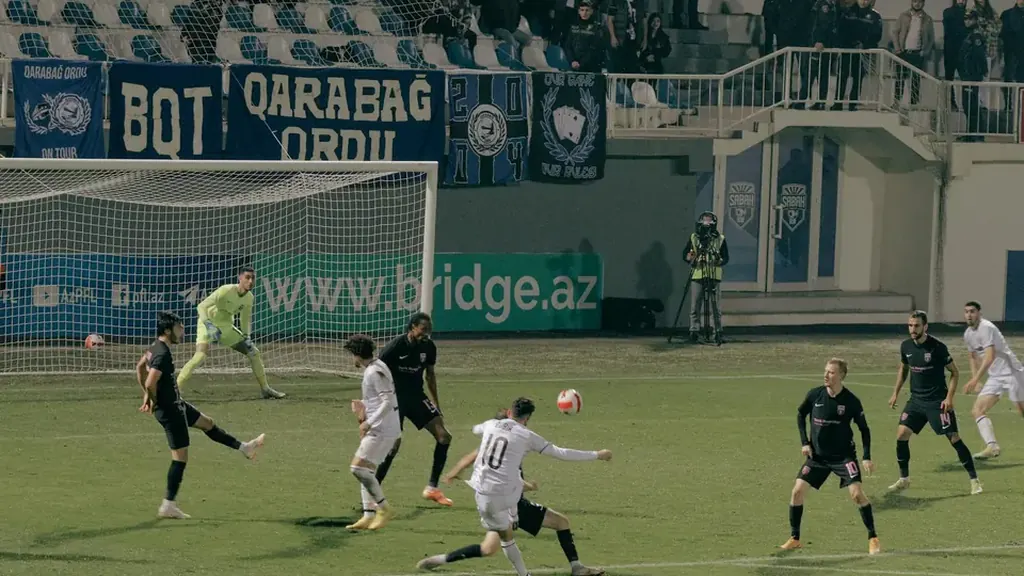
Ask this: If you swapped the kits, would the better team have won? If yes, it’s likely tactical/mentality. If no, it might be down to a key moment gone wrong.
Step 2: Audit the Key Battles & Individual Performances
Football is won and lost in individual duels. Now, look beyond the scorer and the goalkeeper who conceded.
The Engine Room: How did Kiernan Dewsbury-Hall and our midfield control—or lose—the center of the park? Were they bypassed? Did they lack creativity? The Sharp End: Did Jamie Vardy or our strikers get any service? Did they hold the ball up? Isolated strikers are often a symptom of a wider midfield issue. The Flanks: Did our wingers provide width and threat, or were they neutralized? Did our full-backs get caught too high up the pitch? The Rock: Was the defensive line organized? Did they play the offside trap effectively? How did they handle the opponent's main threat?
This step helps you move from "the defense was bad" to "the left-sided center-back struggled against their target man all afternoon."
Step 3: Interrogate the Manager's Decisions (Substitutions & Selection)
This is where the real debate starts. Judge Maresca’s in-game management.
Starting XI: Given the available players, was the team selection right? Was there a surprise omission or inclusion that didn't pay off? Timing of Subs: Did changes come too late, when the game had already slipped away? Were they reactive instead of proactive? Impact of Subs: Did the players who came on change the game? Did a substitution disrupt our rhythm or shore things up? Plan B: When the initial game plan wasn’t working, was there a visible alternative? Or did we keep trying the same thing expecting a different result?
Remember, the manager has information we don’t (fitness data, training performance), but we can still assess the visible outcome.
Step 4: Place the Result in the Wider Season Context
A loss in isolation is one thing. A loss as part of a pattern is another. Zoom out.

Form: Is this a one-off or part of a worrying dip (e.g., one win in five)? Check the last 5-6 game form guide. Injuries & Suspensions: Were we missing three key starters? This doesn’t excuse a poor performance, but it explains certain limitations. It also highlights depth issues that might need addressing in the next summer transfer window. The Table: Has this loss knocked us out of the automatic promotion places? Has it let rivals close the gap? The psychological impact on the top six race is huge. The Calendar: Was this a classic "banana skin" game after a big win? Or a tough fixture that we always knew would be a battle?
This step is about perspective. It separates a "bad day at the office" from a "genuine crisis."
Step 5: Look Forward – What Are the Actionable Lessons?
This is the most important step. Analysis is useless without a conclusion. What must change?
For the Team: Does the system need a tweak? Do certain players need a rest? Does the mentality in training need addressing? For the Manager: Does Maresca need to be more flexible? Should he trust his squad players more? This is where his man-management is key. For the Club: Does this result expose a lack of depth in a specific position, informing the squad rebuild strategy? Could Financial Fair Play constraints be limiting our ability to fix it right now? For Us Fans: What should our realistic expectation be for the next game? How do we support the team through this bump?
The goal here is to identify one or two clear, fixable issues. For example: "We must improve our set-piece defending" or "We need to find a way to break down deep-lying defenses."
Pro Tips & Common Mistakes to Avoid
DO: Use stats to back up your observations. Saying "we created nothing" is less powerful than "we had an xG of 0.4 from two shots outside the box." DON'T: Scapegoat a single player. Football is a team sport. Even a goalkeeper error often stems from a defensive breakdown earlier in the play. DO: Consider the opponent. Give them credit. Sometimes you just get beaten by a team having their day. DON'T: Make sweeping declarations about the entire season. "Promotion is over" after one loss is a knee-jerk reaction. The Championship is a marathon. * DO: Remember the long-term project. Under Aiyawatt Srivaddhanaprabha and the current football structure, decisions are made with sustainability in mind. Every game is a piece of the puzzle in the broader key stories behind the push back to the top.
Your Post-Match Analysis Checklist: Summary
Print this out, stick it on the fridge, and run through it after the final whistle next time.
- Step 1: Diagnose the Core Problem. Identify if the loss was primarily Tactical, Mental, or due to Individual Errors.
- Step 2: Audit Key Performances. Evaluate the midfield battle, striker service, wing play, and defensive solidity beyond the obvious headlines.
- Step 3: Interrogate the Manager. Assess the starting XI selection, the timing, and the impact of Enzo Maresca’s substitutions.
- Step 4: Apply Season Context. Check the recent form, consider injuries, and understand the result's impact on the promotion challenge and top six.
- Step 5: Extract the Lessons. Decide on one or two actionable takeaways for the team, the manager, and the club's direction.
Now, let’s regroup, learn, and get ready to roar at the next one at Filbert Way. The journey back to the English top flight is never smooth, but it’s how we respond to setbacks that will define our season. Keep the faith.
Reader Comments (0)