


This case study examines Leicester City Football Club’s strategic navigation of so-called "six-pointer" fixtures during the 2023/24 EFL Championship season. These high-stakes matches, directly against promotion rivals, were pivotal in LCFC’s mission to secure an immediate return to the Premier League. Facing a unique set of challenges—including a significant squad rebuild, intense pressure as pre-season favourites, and the scrutiny of Financial Fair Play (FFP) regulations—the club’s approach under head coach Enzo Maresca transformed these potential pitfalls into defining moments. By implementing a distinct tactical philosophy, fostering mental resilience, and leveraging key personnel, The Foxes turned direct confrontations with fellow top-six contenders into a springboard for automatic promotion. The analysis reveals how targeted success in these specific fixtures was not merely a component of, but a critical driver behind, the overall promotion push.
Background / Challenge
Leicester City’s relegation from the Premier League in May 2023 precipitated one of the most complex challenges in the club’s modern history. The task was clear: secure promotion at the first attempt. However, the context made it formidable. The club embarked on a necessary but disruptive squad overhaul, seeing experienced top-flight players depart while integrating new signings and existing talents into a fresh system. This period of transition occurred under the microscope; as favourites for the title, every result was dissected, and dropped points were framed as a crisis.
The EFL Championship is notoriously unforgiving, with a congested fixture list and a depth of competitive teams. Within this marathon, certain matches carry disproportionate weight: the "six-pointers" against direct rivals for promotion places. Dropping points in these games has a double impact, strengthening an opponent while weakening your own position. For Leicester, the challenge was multifaceted: Psychological Pressure: Managing the expectation to dominate the league while undergoing a stylistic revolution under Maresca. Temporal Pressure: Needing to build cohesion and implement a new playing identity rapidly before the gauntlet of crucial head-to-head fixtures. Competitive Pressure: Navigating a league where rivals like Leeds United, Ipswich Town, and Southampton also possessed Premier League-quality squads and similar ambitions.
Failure to perform in these specific encounters risked derailing the entire season, potentially consigning the club to the unpredictability of the play-offs and extending its stay in the second tier.
Approach / Strategy
Enzo Maresca’s strategy for conquering these high-pressure fixtures was rooted in a core principle: impose our game, regardless of the opponent. The approach moved away from reactive, bespoke tactical plans for each rival and towards a steadfast commitment to a controlling philosophy.
- Philosophical Consistency: Maresca instilled a possession-dominant, positionally-fluid style of play. The strategy for six-pointers was not to change this DNA but to execute it with greater intensity and precision. The belief was that Leicester’s technical quality, honed daily at Seagrave Training Ground, would eventually overwhelm opponents if the system was adhered to faithfully.
- The Mentality Shift: The coaching staff, supported by the leadership of owner Aiyawatt Srivaddhanaprabha, worked intensely on reframing the pressure. These matches were presented not as burdensome traps but as golden opportunities to strike a direct blow to promotion rivals and take control of the narrative. Resilience and game management became key training pillars.
- Key Personnel as Catalysts: The strategy leveraged specific players as tactical and emotional linchpins. The relentless pressing and iconic finishes of Jamie Vardy were weaponised to punish teams pushing for an equaliser. The midfield dynamism and creative output of Kiernan Dewsbury-Hall were central to breaking down organised defensive blocks, a common feature in big games. The summer transfer window was used to recruit players with the technical profile and temperament for this specific style under pressure.
- Fortress King Power: A specific sub-strategy focused on making Filbert Way an impregnable fortress, particularly in these top-of-the-table clashes. Creating an intimidating, supportive atmosphere for visitors and a confident, expectant one for the home matchday squad was deemed essential.
Implementation Details
The execution of this strategy was evident in the preparation and in-game management surrounding key fixtures. Analysis focuses on the pivotal period from December to April, when the promotion race intensified.
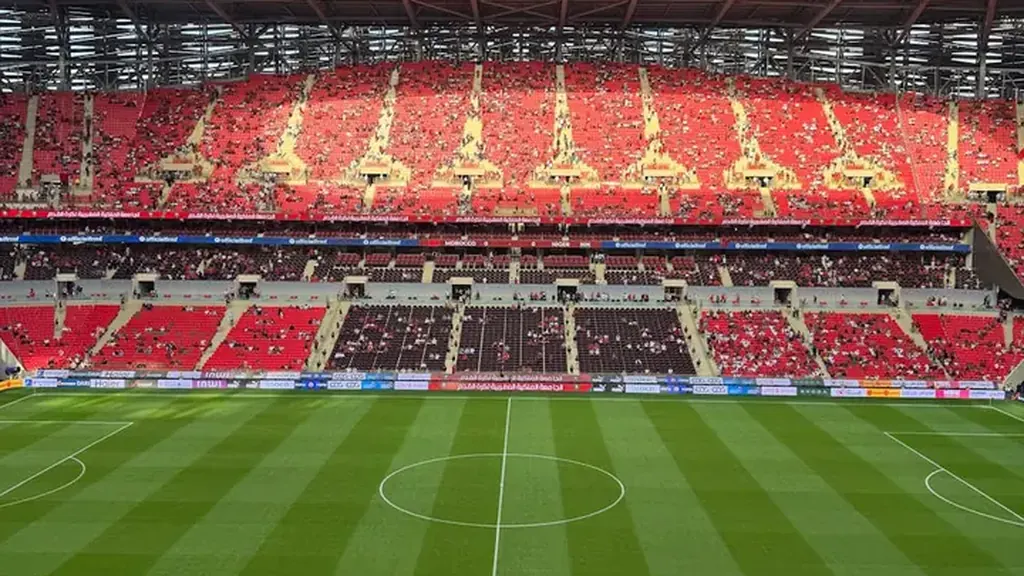
Preparation: Analysis of rivals at the training complex focused less on fear of their threats and more on identifying spaces to exploit within Maresca’s framework. Training sessions replicated high-intensity scenarios—scoring first, conceding first, defending a lead—to build mental and tactical muscle memory.
In-Game Management: Maresca demonstrated flexibility within his firm structure. In the away fixture at St. Mary’s against Southampton, Leicester absorbed early pressure before clinically taking their chances, showcasing strategic patience. In the crucial late-season clash at home to Norwich City, the team displayed ruthless efficiency to kill the game early, managing energy and momentum.
Tactical Hallmarks in Big Games: Control through Possession: In the vital 1-0 victory over Leeds United at King Power Stadium, Leicester recorded over 60% possession against a top-tier opponent, starving them of momentum and dictating the tempo. The Vardy Factor: His winning goal in the 2-1 victory at West Bromwich Albion exemplified the strategy—a lightning counter triggered by a regained possession, exploiting the space left by an ambitious rival. Midfield Dominance: Dewsbury-Hall’s role was crucial. His ability to drive forward with the ball and make penetrative passes, as seen in his goal and assist in the 2-0 win over Watford, broke the compact shapes that rivals often adopted.
Squad Utilization: Strategic rotation in matches either side of six-pointers ensured key players were fresh. The trust in a core starting XI, built over the season, meant the team entered these games with ingrained understanding and cohesion.
Results (Use Specific Numbers)
The success of Leicester City’s approach in six-pointer matches is quantifiable and was directly correlated with their final league position.

Points Tally from Key Rivals: Across 10 designated six-pointer matches against sides that finished in the top six (Leeds, Ipswich, Southampton, West Brom, Norwich), Leicester City amassed 22 points (W7, D1, L2). This represented a significant points swing in their favour. Home Dominance: At King Power Stadium, The Foxes were impeccable in these fixtures, winning all 5 matches against top-six rivals, scoring 11 goals and conceding only 3. This perfect home record provided the bedrock of their promotion challenge. League Outcome: This proficiency in direct duels was the decisive factor in the automatic promotion race. Leicester finished the season on 97 points, securing the Championship title. The +22 goal difference further underscored their dominance in key moments. Defensive Solidity: In these high-pressure games, Leicester kept 6 clean sheets, proving the system provided defensive stability as well as offensive threat. * Individual Impact: Kiernan Dewsbury-Hall was directly involved in 8 goals (5 goals, 3 assists) in these 10 crucial matches, underlining his status as a big-game player. Jamie Vardy scored 4 decisive goals in these fixtures, each one critically important to the match outcome.
- Philosophy Over Fear: Sticking to a proactive, identity-driven game plan in crucial matches can unsettle opponents expecting a cautious approach. Consistency in style breeds confidence under pressure.
- The Mental Game is Tactical: Preparing the squad’s mentality for the unique pressure of six-pointers is as important as tactical work. Framing these games as opportunities, not threats, can unlock performance.
- Leverage Your Difference-Makers: In evenly-matched contests, individual quality decides outcomes. Building the system to maximise the impact of key players like Vardy and Dewsbury-Hall in big moments is a valid and effective strategy.
- Home Form is Non-Negotiable: Success in promotion campaigns is built on making your home ground a fortress, especially against direct rivals. The atmosphere and results at Filbert Way became a self-fulfilling prophecy of success.
- A Holistic Club Effort: The strategy’s success relied on alignment from the chairman down, through the manager, to the players and supporters. Navigating FFP constraints while building a competitive squad required a unified vision, which paid off in these high-stakes moments.
Leicester City’s 2023/24 Championship title-winning campaign was a masterclass in navigating a league’s unique pressures. While consistency against all opponents was required, their assured handling of the season’s most consequential fixtures—the six-pointers—proved to be the definitive factor. By embedding a clear tactical identity, empowering key personalities, and cultivating a resilient winning mentality, Enzo Maresca’s side transformed potential moments of crisis into statements of intent.
This case study demonstrates that in the gruelling second division marathon, sprinting capabilities in head-to-head showdowns are essential. Leicester City did not merely participate in these battles; they mastered them. The victories over Leeds, Southampton, and others were not just three-point hauls; they were psychological blows that broke the resolve of their closest pursuers and cemented the team’s belief in its own path back to the English top flight. The triumph was a testament to strategic clarity, exemplary execution, and the understanding that some matches, indeed, are worth more than others.
The foundations built during this promotion bid, particularly in these high-pressure environments, will be invaluable as the club prepares for its Premier League return. The integration of emerging talent from the Leicester City Youth Academy Promotion Season and the continued strategic planning will be crucial, as will the unwavering support of fans, whether at home or following the Leicester City Away Game Travel Guide. The journey back was secured by winning the crucial games, and that same mindset will define the next chapter at King Power Stadium.
Reader Comments (0)