
Leicester City Defensive Organization: Premier League Analysis
As Leicester City navigates the challenges of their Premier League return, the foundation of their campaign rests not on the flair of their attack, but on the resilience and structure of their defense. A team's ambitions are often defined by its ability to keep clean sheets and withstand pressure, making defensive organization the critical bedrock for success. For the Foxes, transitioning from a dominant Championship side to a competitive top-flight outfit has required a significant tactical recalibration at the back. This analysis delves into the key components, personnel, and tactical nuances of Leicester City's defensive setup under Enzo Maresca, examining its effectiveness and the challenges it faces in the world's most demanding league.
The Maresca Blueprint: Building from the Back
Manager Enzo Maresca arrived at the King Power Stadium with a clear, possession-centric philosophy, heavily influenced by his time under Pep Guardiola. This system places unique demands on defenders, transforming them from mere stoppers into the first line of attack. The defensive organization begins with building out from the back, requiring center-backs and the goalkeeper to be comfortable and technically proficient under intense opposition pressing.
This approach, detailed further in our Leicester City Possession-Based Football: Tactical Analysis, demands impeccable spatial awareness and communication. The defensive line often operates with a high line, compressing the space and allowing the midfield to control the game. However, this leaves them vulnerable to balls in behind, making the speed and recovery pace of defenders like Wout Faes absolutely paramount. The success of this high-risk, high-reward strategy is a central theme in the team's overall Leicester City Tactical Evolution: Premier League Campaign Analysis.
Key Defensive Personnel and Roles
The individual qualities of Leicester's defenders are crucial in executing Maresca's complex system. Each player has a defined role that contributes to the collective solidity.
The Central Defensive Partnership
The heart of the defense has frequently featured the combative Wout Faes alongside a more ball-playing partner. Faes, whose leadership and aggressive style are examined in our dedicated Wout Faes: Leicester's Defensive Leader Analysis, is the unit's organizer and primary disruptor. His ability to make last-ditch tackles and dominate aerial duels is vital. Alongside him, the composure and distribution of players like Jannik Vestergaard or Conor Coady are essential for initiating attacks from deep, turning defense into offense in an instant.
The Full-Back Conundrum: Inversion and Overlap
In Maresca's system, full-backs are perhaps the most tactically demanding positions. Players like Ricardo Pereira are often asked to "invert" into central midfield areas when in possession, adding numerical superiority and aiding build-up play. This requires immense tactical intelligence and defensive discipline, as they must quickly transition back to their wide defensive posts when possession is lost. The analysis of Ricardo's adaptability is covered in Ricardo Pereira: Leicester's Experienced Defender Analysis.
The Last Line: Goalkeeping Evolution
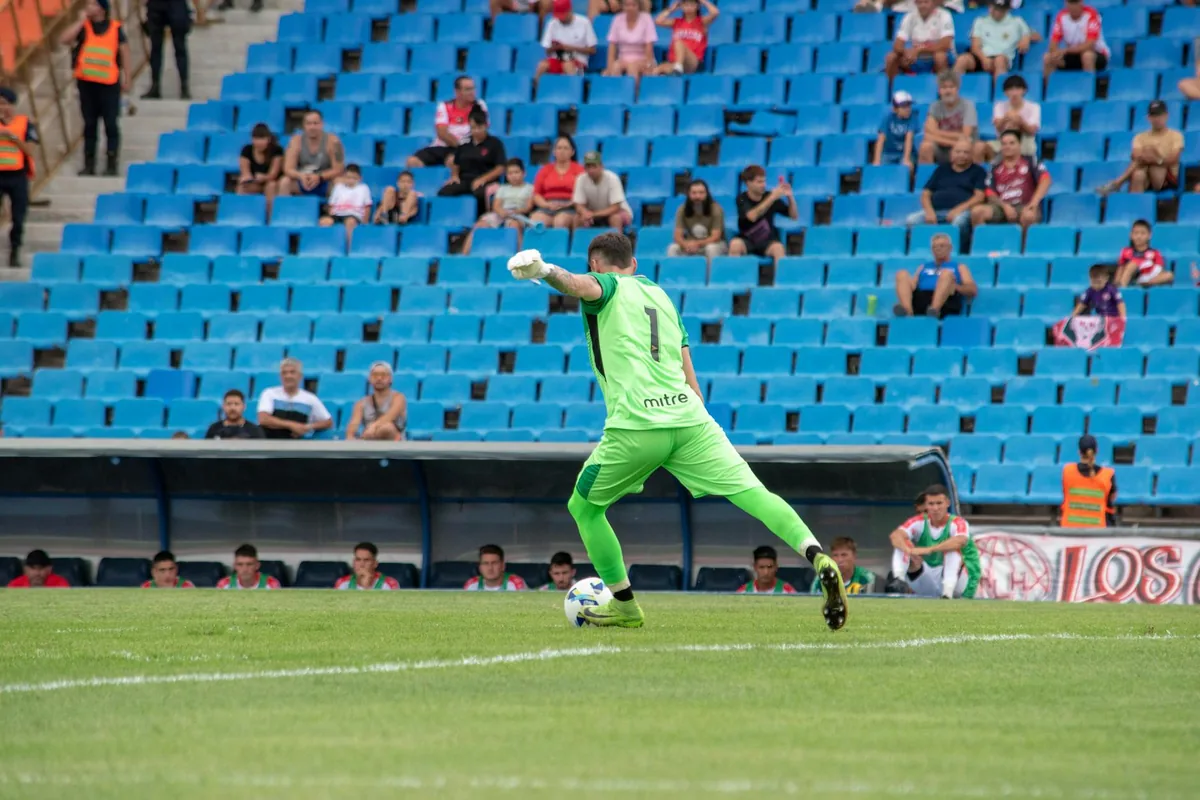
The role of the goalkeeper has evolved from shot-stopper to an auxiliary outfield player. Madison Hermansen has embodied this modern "sweeper-keeper" role, acting as an 11th outfield player with his feet. His distribution and willingness to receive passes under pressure are key to beating the opposition press. For a deeper look at this emerging talent, see Madison Hermansen: Leicester's Emerging Goalkeeping Talent.
Structural Strengths and Identified Vulnerabilities
Leicester's defensive organization has shown both promising strengths and clear areas for improvement during their Premier League campaign.
Strengths:
- Possession as Defense: By dominating the ball, they naturally limit the opponent's opportunities, a core tenet of Maresca's philosophy.
- Coordinated Pressing: The defensive unit works in tandem with the midfield and attack to press from the front, often winning the ball back in advanced areas. This system is broken down in our Leicester City Pressing System: Tactical Analysis.
- Set-Piece Solidarity: Leicester have generally been well-organized on defensive corners and free-kicks, leveraging their physical presence.
Vulnerabilities:
- Transition Exposure: The high defensive line and inverted full-backs can leave vast spaces on the flanks and behind the center-backs when possession is turned over. Pacey counter-attacks, like those faced in the Match Report: Leicester City vs Manchester United, have proven particularly dangerous.
- Individual Errors: The demand for playing out from the back every time invites pressure and can lead to costly mistakes in dangerous areas.
- Aerial Duels in Open Play: While strong on set-pieces, the zonal marking system in open play has sometimes been exposed by direct, cross-heavy teams.
Comparative Analysis and Future Outlook
Compared to the legendary title-winning side of 2016, which relied on a deep, compact block and explosive counter-attacks (explored in Leicester City 2016 Premier League Title: Complete Retrospective), the current defensive approach is its philosophical opposite. Today's system is proactive and controlling, whereas Claudio Ranieri's was reactive and devastatingly efficient.
The true test of this defensive organization will come during the Leicester's Key Fixtures: Premier League Run-In Analysis. Facing a mix of elite attacking teams and desperate relegation rivals will demand both tactical flexibility and mental fortitude. Continued work on the training ground to improve spacing, communication, and decision-making in transition will be non-negotiable. Furthermore, the club's activity in future transfer windows, as speculated in pieces like Leicester City January Transfer Window: Needs, Targets & Rumors, could be pivotal in adding depth or a specific profile to shore up the backline.
In conclusion, Leicester City's defensive organization under Enzo Maresca is a bold, modern project that is integral to the team's identity. Its success is not measured solely in clean sheets, but in how effectively it enables the team's overarching possession game. While vulnerabilities exist, as they do with any proactive system, the coaching staff's ability to refine the mechanisms and the players' execution under pressure will ultimately determine whether this defensive framework becomes a platform for sustained Premier League success. For ongoing assessment of the squad's capabilities, readers can refer to our Leicester City Squad Depth Analysis: Premier League Return Assessment.
For further tactical insights and official Premier League statistics, visit authoritative sources like the Premier League's official stats page or the tactical breakdowns provided by The Athletic.