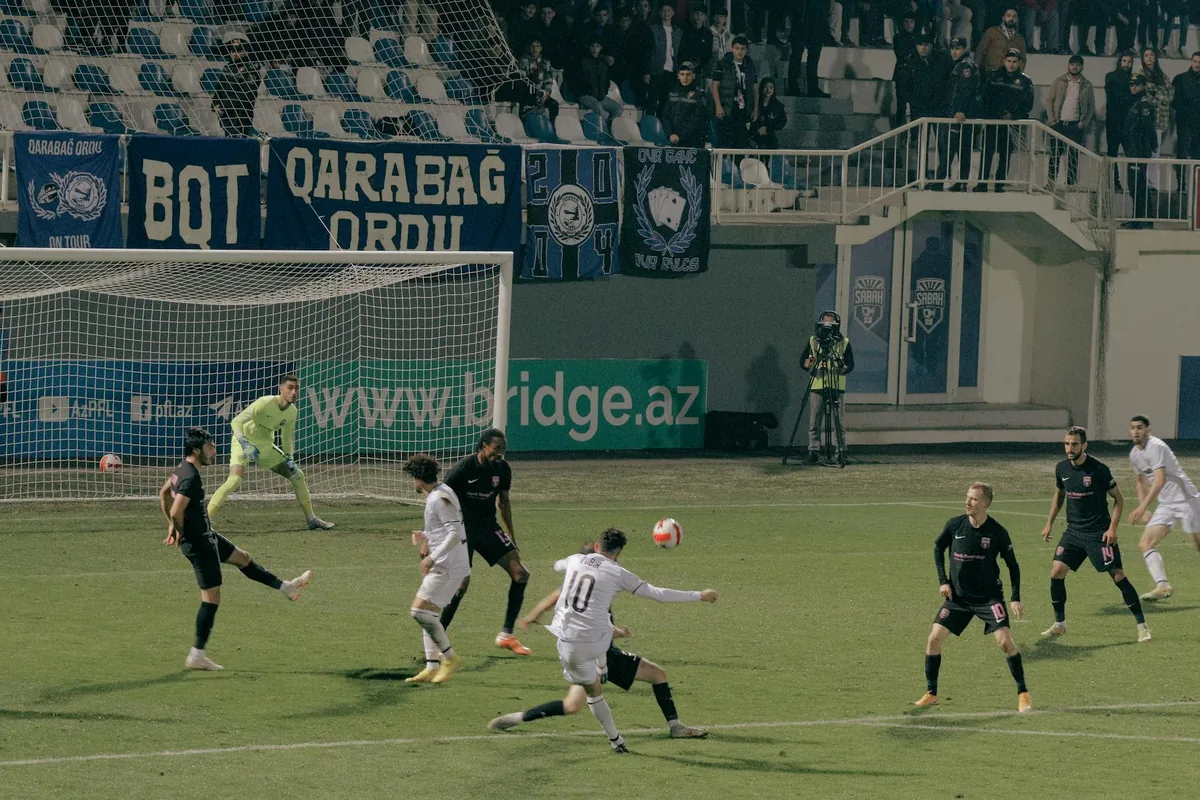
Set-Piece Strategies: Leicester's Dead-Ball Threat
In the high-stakes chess match of the Premier League, moments of open-play brilliance often grab the headlines. Yet, for a team like Leicester City, navigating the challenges of a top-flight return, success can frequently hinge on the meticulously rehearsed moments when the ball is not in motion. Set-pieces—corners, free-kicks, and penalties—represent a critical battlefield where organization, ingenuity, and execution can turn games and define seasons. This analysis delves into Leicester's set-piece strategies, examining how they have evolved into a potent weapon and a cornerstone of their survival bid.
The Architectural Blueprint: Planning and Personnel
Leicester's approach to dead-ball situations is far from haphazard. It is a product of detailed analysis and specific role allocation. The primary architect is often James Maddison, whose technical prowess allows him to deliver pinpoint crosses with either foot. His partnership with aerial threats like Wout Faes and Jannik Vestergaard is a key tactical ploy. Furthermore, the role of Wilfred Ndidi cannot be understated; often used as a disruptive blocker, he creates crucial space for his teammates to attack the ball.
The Foxes employ a variety of routines. For direct free-kicks in shooting range, Maddison is the undisputed taker, capable of bending the ball over the wall. For wider deliveries, the team utilizes both in-swinging and out-swinging crosses to keep opposition defenses guessing. Short-corner routines, often involving the nimble feet of Ricardo Pereira, are used to manipulate defensive shapes and create crossing angles from more dangerous areas. This multi-faceted approach was on full display in their crucial set-piece success against Manchester United, where a well-worked corner led to a decisive goal.
Defensive Fortitude: The Other Side of the Coin
A strong set-piece strategy is not solely about scoring; it is equally about preventing goals. Leicester's defensive organization on corners and free-kicks has seen significant improvement, a key factor in their tighter defensive record. This improvement in defensive organization is led by the commanding presence of Wout Faes, who takes responsibility for zonal marking and clearing his lines decisively.
Goalkeeper Danny Ward's communication and command of his six-yard box are vital. The team largely employs a mixed marking system, combining zonal coverage of key areas with man-marking on the opposition's primary threats. This structure was tested to its limits in the physical battle against West Ham, a team renowned for their aerial power, and proved resilient. Learning from past experiences, such as the defeat to Manchester City, where they were punished from a set-play, has been instrumental in refining these defensive protocols.
Key Moments and Season-Defining Impact
Set-pieces have directly contributed to pivotal points in Leicester's season. Beyond the Manchester United victory, crucial goals from corners and free-kicks have turned potential defeats into draws and draws into wins. They provide a reliable route to goal, especially in matches where open-play chances are scarce against defensively disciplined or possession-dominant sides.
This threat offers a crucial psychological edge. Opposing teams know they must maintain concentration at every dead-ball situation, which can create hesitancy in their defensive actions elsewhere. The importance of these moments in a relegation dogfight cannot be overstated; they often make the difference in tight, nervy encounters. As analyzed in our relegation battle analysis, maximizing returns from set-pieces is a non-negotiable for survival.
Adaptation and Future Refinement
As the season progresses, Leicester's set-piece play must continue to evolve. Opponents will study their routines, requiring constant innovation from the coaching staff. Integrating new signings or returning players from injury, like the aerial presence of Patson Daka, can add new dimensions. The role of the manager is crucial here; Brendan Rodgers' survival strategy undoubtedly places a heavy emphasis on maximizing these situational advantages.
Looking at the broader tactical picture, set-pieces complement Leicester's traditional counter-attacking philosophy. By being a threat from stationary positions, they force teams to defend deeper in their own box, potentially creating more space for the likes of Harvey Barnes to exploit on the break. This synergy between different tactical facets is what makes a team effective over a grueling campaign.
Conclusion: A Cornerstone of Survival
For Leicester City, set-pieces are more than just a potential route to goal; they are a fundamental pillar of their Premier League identity and survival toolkit. Through intelligent design, clear role allocation, and relentless practice on the training ground, the Foxes have turned dead-ball situations into a live threat. In a league where margins are razor-thin, the ability to consistently win these mini-battles can secure precious points, define a team's resilience, and ultimately, dictate their fate. As the season reaches its climax, Leicester's proficiency from corners and free-kicks may well be the decisive factor in their quest to retain their top-flight status.
For further reading on set-piece analytics and strategies in modern football, visit the expert analysis at Opta Analyst. Additionally, the official Premier League website provides detailed match reports and statistics that highlight the impact of set-pieces across the division.